
One platform for the entire journey from story to impact.
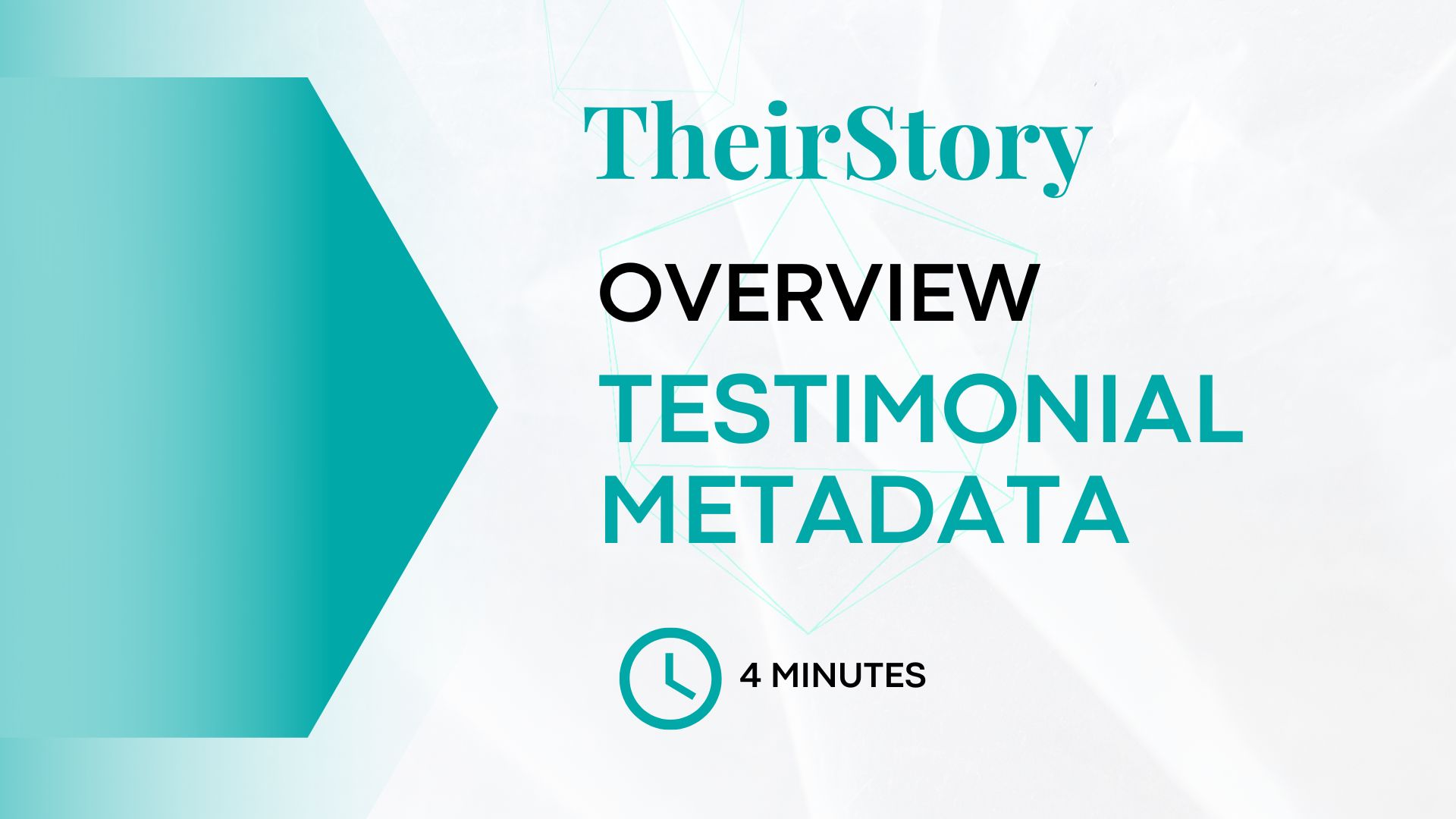
We’re thrilled to announce Custom Metadata, a new feature that gives you full control over what and how you collect metadata from your narrators. Custom metadata applies to testimonials and planned calls (coming soon).
With Custom Metadata, you can now define fields that reflect your priorities and workflows-whether that’s names, dates, or selector fields. These fields are automatically captured and assigned to the narrator’s story as metadata, allowing it to be searchable and discoverable.
What this unlocks:
The short video below gives a brief introduction to the possibilities of custom metadata.
If you’re curious how Custom Metadata could support your work, just reply to this email or schedule time with us- we’d love to explore it together.
Coming soon!
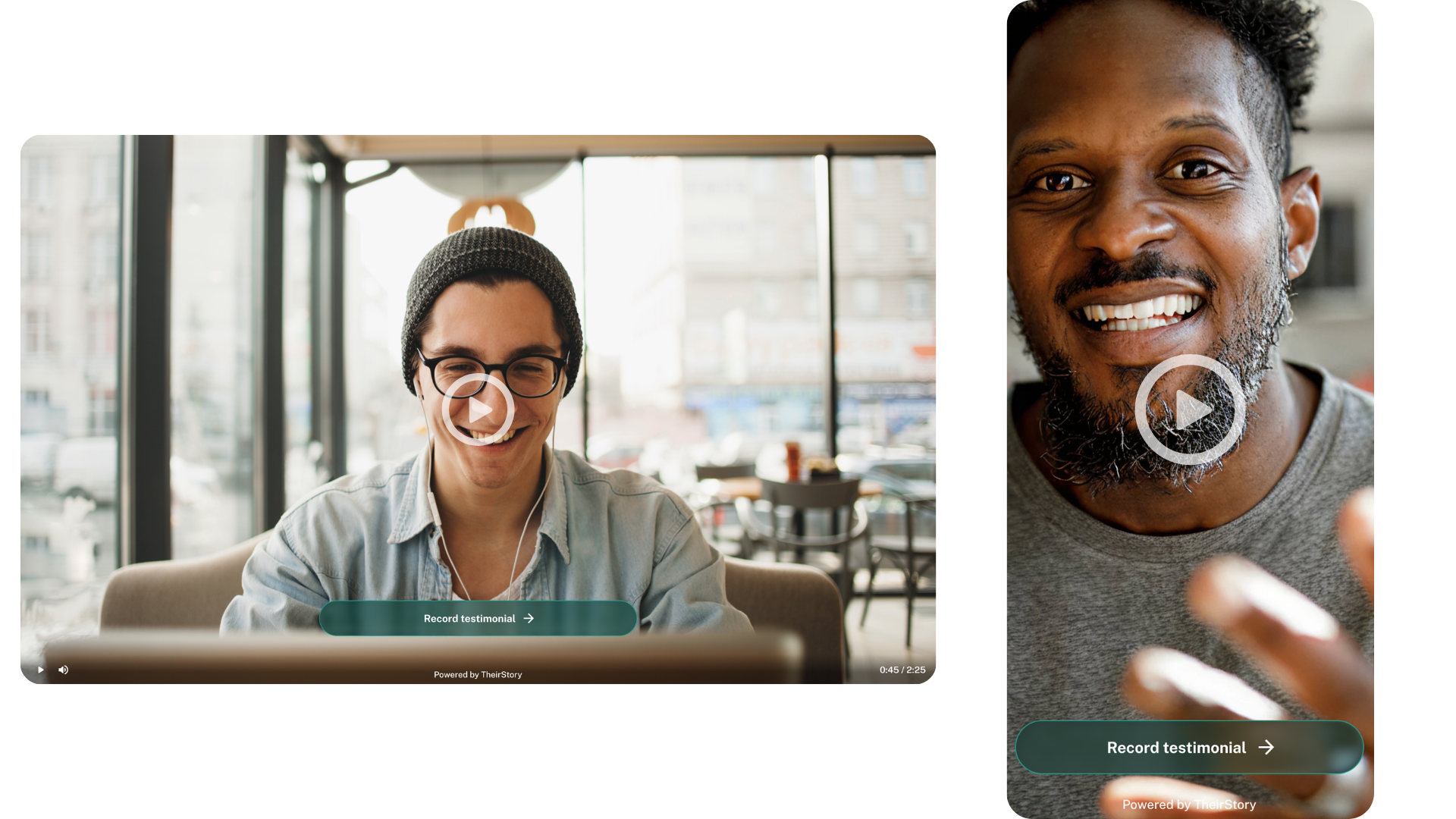
When someone enters your testimonial page, you can greet them with a short introduction video. Use it to explain the project, guide participants on how to record their testimonial, or invite them to get more involved. The video helps create a welcoming experience while improving the quality and consistency of the stories you collect. It can be uploaded or recorded directly within TheirStory and appears immediately when participants begin.
Here are some mock-ups of what the video will look like:
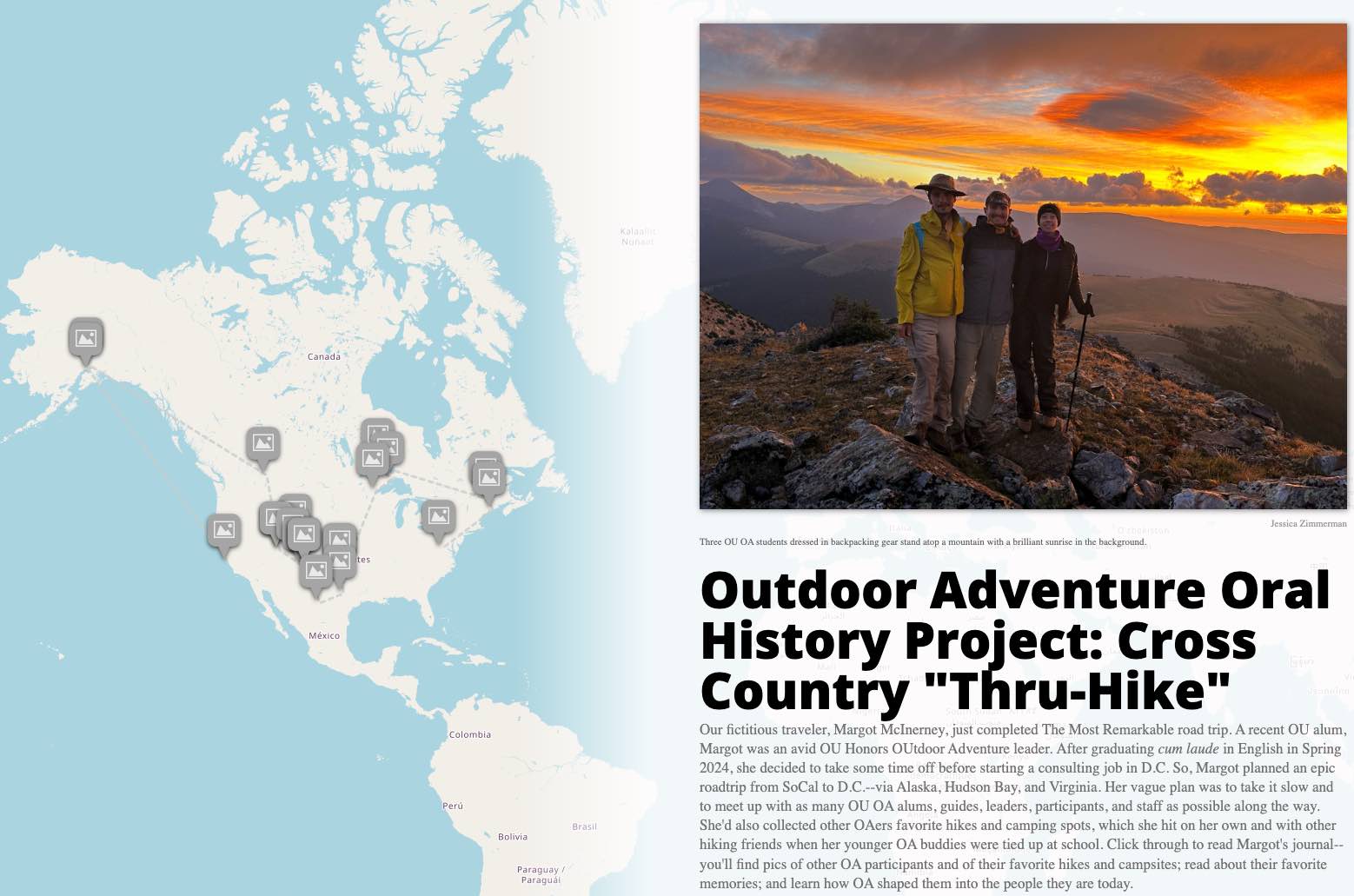
Andreana Prichard, a professor at the University of Oklahoma, used TheirStory to power an interactive map of stories
In an honors-level oral history course, students used TheirStory to document alumni experiences from a 20-year-old Outdoor Adventure leadership program that was at risk of being eliminated.
Students interviewed nearly 20 program alumni, capturing powerful firsthand stories about leadership, personal growth, and community. Using TheirStory, they edited transcripts, indexed interviews, and created clips that surfaced consistent themes across decades of participation. Those stories were then woven into an interactive Outdoor Adventure Historical Trail Map, grounding alumni voices in meaningful places and experiences.
The oral histories became more than an academic exercise- they became evidence. By clearly documenting the program’s long-term impact through authentic voices, the project helped demonstrate its value to university leadership. The result: the program was not only preserved, but revived, with new students heading into the backcountry this year.
With additional interviews planned and a forthcoming physical installation, the project continues to show the power of oral history to preserve memory, strengthen community, and shape real-world decisions.
Also check out another OU project: The Listening Project: Women in Engineering!
Stay connected with the latest product updates and announcements from TheirStory.
One platform for the entire journey from story to impact.